
Introduction
In Port Orchard, WA—and across Kitsap, Pierce, and King Counties—annual fire sprinkler inspections are one of the simplest ways to protect people, property, and productivity. A well-maintained fire sprinkler system is the backbone of commercial fire protection, and the annual NFPA 25 inspection confirms your system is ready when seconds matter. Whether you operate a retail center in Bremerton, a manufacturing space in Tacoma, or a boutique hotel on Bainbridge Island, your local fire departments (AHJs) expect regular, documented inspections to confirm fire code compliance and system reliability.
This guide explains what an annual inspection includes, how it connects to NFPA standards, and why working with a Washington State partner like Empire Fire Protection makes the process smooth, transparent, and cost-effective.
Inside an Annual NFPA 25 Checkup
NFPA 25 governs inspection, testing, and maintenance for water-based fire protection systems. Your annual visit focuses on verifying that all visible and functional components operate as intended and that your documentation is audit-ready for the local AHJ.
What we examine and test typically includes:
- System control valves: Confirm valves are open, supervised, properly labeled, and accessible.
- Gauges and signage: Inspect gauge condition and calibration intervals; verify required safety and control signage is present and legible.
- Waterflow and supervisory alarms: Functionally test waterflow and tamper switches to ensure prompt alarm signaling.
- Main drain test: Measure water supply performance and compare to baseline data to catch potential underground or backflow issues.
- Sprinkler heads and spacing: Check for obstructions, paint, corrosion, loading (dust/debris), and correct temperature ratings.
- Spare sprinkler cabinet: Verify a compliant selection of spare heads and the proper wrench are on site.
- Antifreeze loops and dry systems (if present): Validate solution concentration, low-point drains, air pressure, and heat tracing as required.
- Standpipes and hose connections: Inspect per NFPA 25 and NFPA 14, including valves, caps, and signage in stairwells and roof landings.
- Fire pumps and backflow preventers (where applicable): Coordinate required annual testing; confirm documentation is current.
Your sprinkler system’s design and installation are governed by NFPA 13, while underground fire service mains and hydrants follow NFPA 24. The annual inspection considers how these systems interact, because performance depends on the full water supply path—from the street main and private hydrants to risers, pumps, and sprinkler heads.
For owners, facility managers, GCs, and architects, the annual deliverable is a clear report: what passed, what needs adjustment, and how to resolve deficiencies quickly. For a deeper dive into scheduling and scope, see our overview of annual fire sprinkler testing and inspections.
Why It Matters
Neglecting annual inspections can lead to hidden problems and expensive consequences:
- Closed or partially closed valves that starve sprinklers of water
- Corroded or painted sprinkler heads that delay activation
- Compromised alarms that fail to notify occupants and responders
- Undersized water supply due to unseen underground leaks or backflow issues
- Liability exposure and insurance complications if a loss occurs
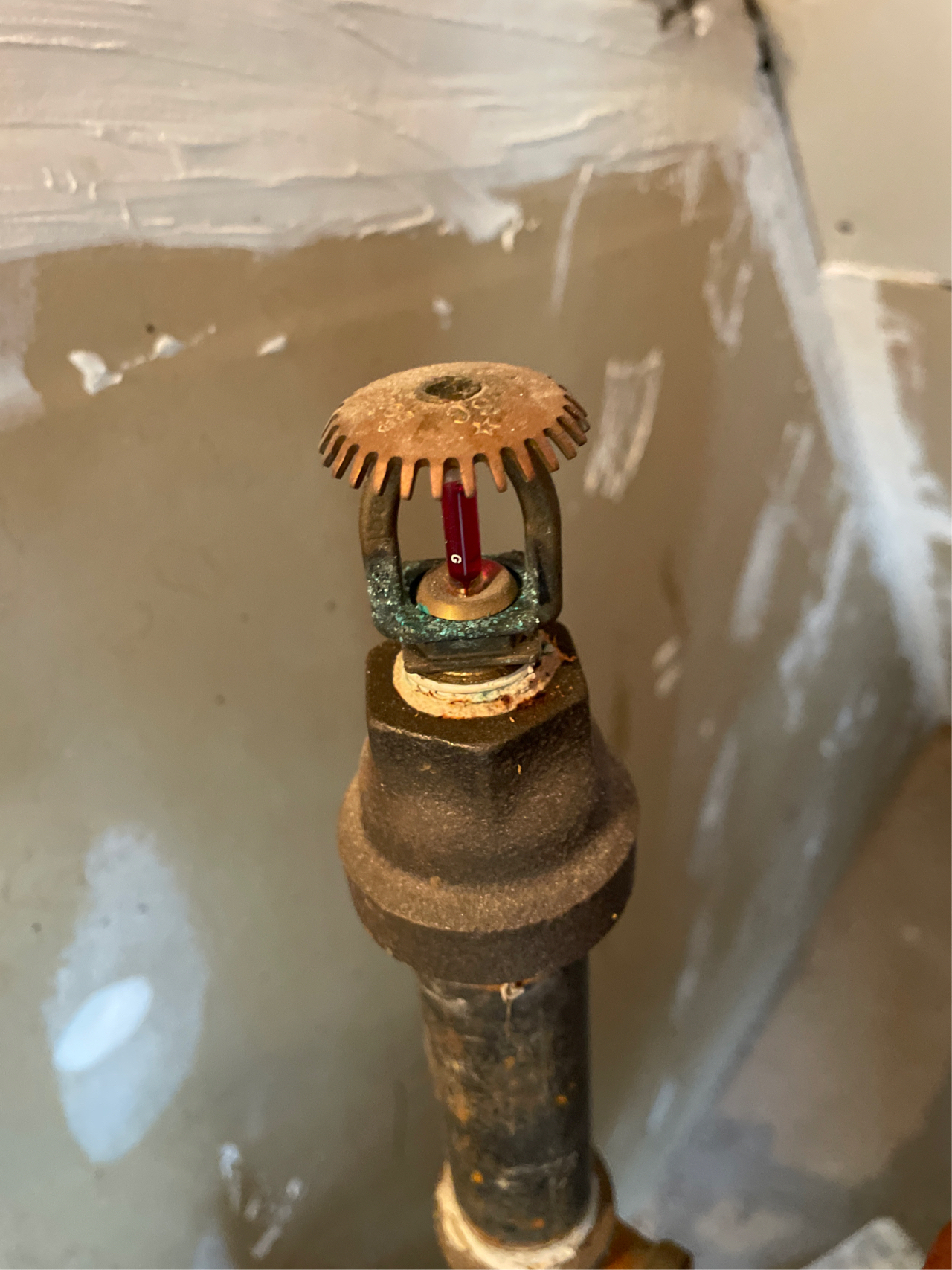
Conversely, staying current with NFPA 25 preserves system reliability, supports fire code compliance, and helps you pass AHJ reviews. It also reduces the risk of emergency repairs, production downtime, and water damage from uncontrolled events. In climate-sensitive areas around Silverdale, Gig Harbor, and Port Orchard, winterizing exposed piping and verifying antifreeze solutions are critical steps to prevent freeze-ups that could disable protection right when you need it.
Remember, annual inspections are part of a continuous program that may also involve weekly, monthly, and quarterly checks—plus five-year internal inspections and other interval-based tests. The cadence ensures every part of the system, from alarm risers to standpipes, gets the attention required by NFPA and your local fire departments.
The Empire Fire Protection Approach
Empire Fire Protection is a Washington State contractor specializing in commercial fire protection—from sprinkler installation and tenant improvements to ongoing inspection, testing, and maintenance. Our union-trained technicians, NICET-certified designers, and experienced project managers bring a safety-first mindset and rigorous NFPA adherence to every visit.
What sets us apart:
- NFPA-driven process: We follow NFPA 25 for inspections and testing, NFPA 13 for design and installation, NFPA 24 for private fire service mains, and NFPA 14 for standpipes.
- Local expertise: We serve Port Orchard, Bremerton, Silverdale, Bainbridge Island, Tacoma, and Gig Harbor, coordinating with local AHJs and tailoring solutions to regional water conditions and building stock.
- Clear documentation: You receive concise, audit-ready reports with photos, deficiency lists, and corrective action plans—ready for AHJ review and insurance needs.
- Full lifecycle support: From design-build and retrofits to service and emergencies, we align with your capital plan and operations schedule to minimize downtime and disruptions.
- Professional installation methods: When repairs or upgrades are needed, our teams apply NFPA 13 design standards, hydraulic calculations, correct materials, seismic bracing, and coordinated BIM clash detection where appropriate. We flush, hydro-test, and acceptance-test systems to confirm performance before turnover.
Need recurring inspection support across multiple properties? Our scheduling system tracks due dates and seasonal considerations so you never miss an annual. Explore our testing and inspection services to see how we tailor programs for retail centers, warehouses, healthcare facilities, offices, and multifamily high-rises.
Building-Ready, AHJ-Ready: Best Practices You Can Use
- Keep riser rooms clear: Maintain 3-foot working clearances and remove storage that obstructs access to valves, gauges, and panels.
- Protect heads from paint and damage: Replace painted or corroded sprinklers and maintain code-approved escutcheons and guards where needed.
- Verify spares: Stock the correct type, temperature rating, and quantity in your spare cabinet with the proper wrench.
- Mind the ceiling: Maintain code-compliant clearances near sprinklers; avoid obstructing deflectors with new lighting, signage, or cable trays.
- Plan around renovations: Engage a sprinkler contractor early during tenant improvements so hydraulic demand, head spacing, and seismic bracing remain compliant.
These practices support fire safety, streamline AHJ inspections, and reduce avoidable callbacks. If you’re coordinating renovations in Tacoma or build-outs on Bainbridge Island, early planning also keeps trades aligned and minimizes rework.
Partner with a Local Fire Safety Expert
Empire Fire Protection is here to keep your system reliable and your business compliant—year after year. Whether you manage a single facility in Port Orchard or a multi-site portfolio across Kitsap, Pierce, and King Counties, our team delivers responsive service, transparent reporting, and practical recommendations.
- Call 253-352-3473 to schedule your annual inspection
- Or request a quote and we’ll tailor a program to your building and budget
If your annual inspection reveals the need for repairs or upgrades, we can complete the work using NFPA 13 installation methods and coordinate any required retesting with your local AHJ. Want more insights before you book? Browse our resources on NFPA compliance and owner expectations in our blog on annual fire sprinkler testing and inspections and learn how our testing and inspection services keep you ready for the next AHJ visit.
From Bremerton to Gig Harbor and Silverdale to Tacoma, Empire Fire Protection is your partner for commercial fire protection, sprinkler installation, and ongoing NFPA 25 compliance.