
Introduction
When a fire starts, the reliability of your water supply determines whether sprinklers and fire crews can control it quickly. For many campuses, business parks, mixed-use developments, and industrial sites in Washington State, that supply begins at private fire hydrants and the underground private fire service main. Private hydrant testing is a cornerstone of commercial fire protection: it proves your system can deliver the flow and pressure your fire sprinkler and standpipe systems were designed to expect—while keeping you aligned with NFPA standards and local AHJ requirements.
Empire Fire Protection is a commercial fire sprinkler contractor based in Washington, serving property owners and contractors in King, Pierce, and Kitsap Counties. Here’s what smart hydrant owners need to know.
The Basics of Private Hydrant Testing
Private hydrant testing confirms water supply performance and the condition of the hydrant, valves, and underground main. While specific frequencies and procedures are dictated by NFPA and your local Authority Having Jurisdiction (AHJ), a professional test typically includes:
Pre-planning and notifications
- Coordinate with the local fire department, water purveyor (if applicable), and site management.
- Review past test data, site drawings, and any known issues or recent repairs.
Safety and environmental controls
- Traffic control and site safety plans.
- Erosion control and dechlorination where required before discharging to storm systems.
Visual inspection
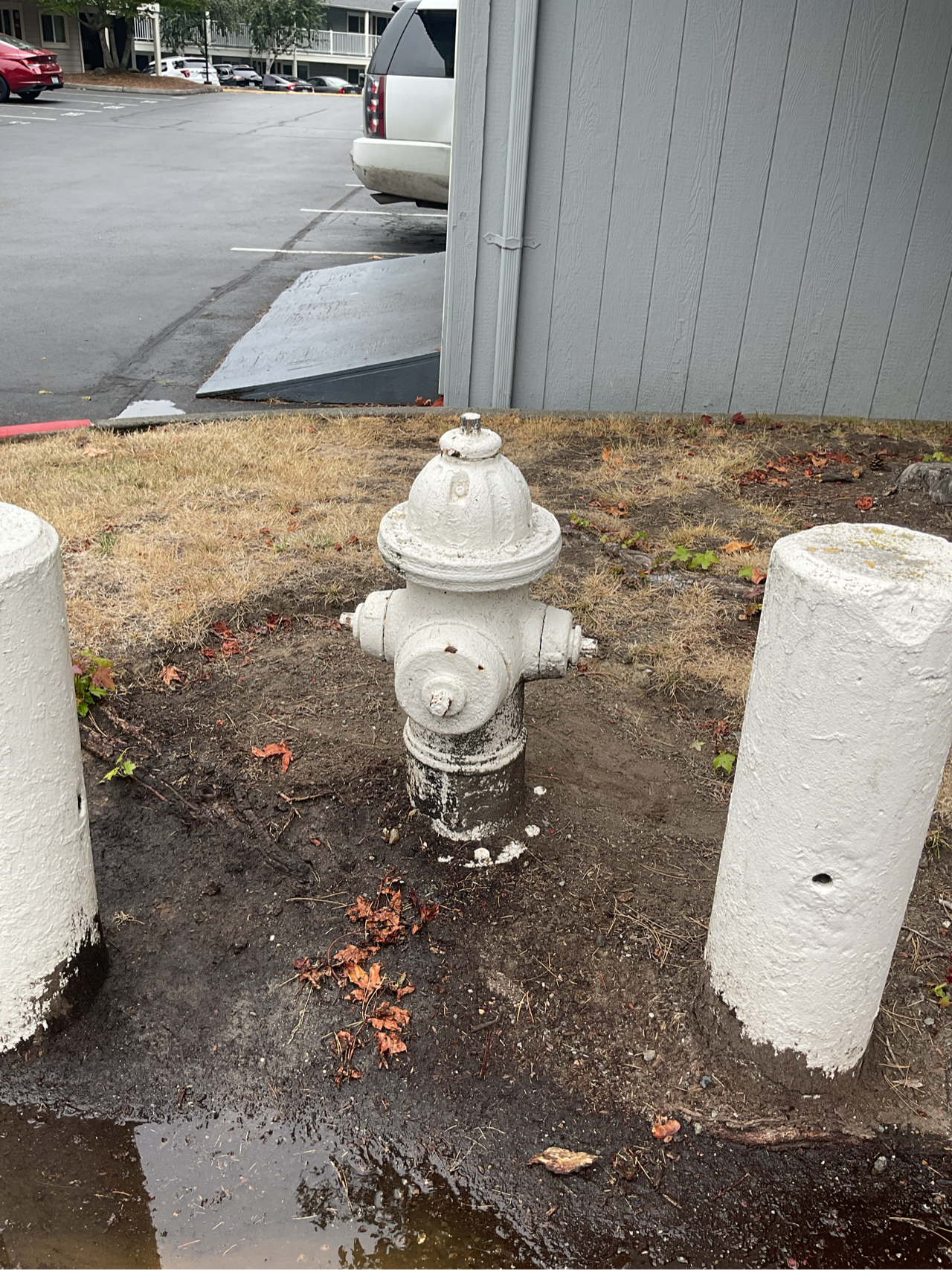
- Check caps, gaskets, operating nut, outlet threads, paint condition, and hydrant marker visibility.
- Verify the hydrant is plumb, accessible, and has adequate clearance.
Valve exercise and operation
- Operate isolation valves on the private fire service main to confirm they open/close and are in the correct position.
- Slowly open the hydrant to prevent water hammer and observe for leaks.
Flow test and measurements
- Record static and residual pressures at the test hydrant or nearby gauge point.
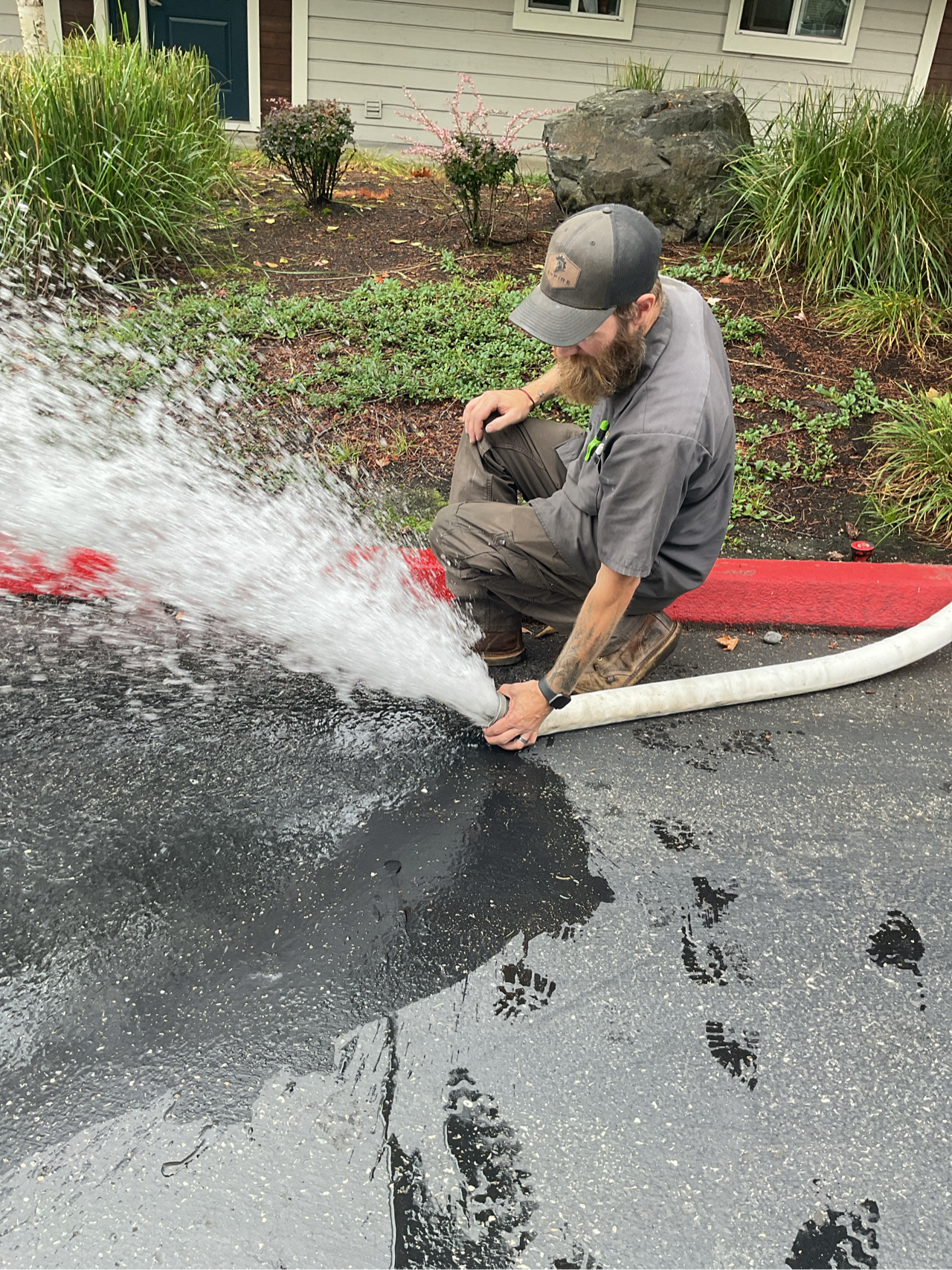
- Take pitot readings on one or more outlets to quantify flow.
- Document the hydrant’s flow and calculate available fire flow at 20 psi (or per AHJ direction) to understand system capacity.
Flushing and drainage
- Flush until water runs clear to remove sediment that can impair sprinklers, valves, and fire pump strainers.
- Verify the hydrant drains properly and the barrel empties after closing.
Post-test restoration and reporting
- Replace caps, confirm valves are returned to normal, and ensure all components are tagged or color-coded per site standards.
- Provide a written report with measured data, site map references, and any deficiencies.
Where NFPA applies: NFPA 25 governs inspection, testing, and maintenance of water-based fire protection systems, including private fire service mains and hydrants. NFPA 24 addresses design and installation of private fire service mains and hydrants. NFPA 13 (sprinkler installation) and NFPA 14 (standpipes) depend on a documented water supply—testing validates that supply for fire sprinkler performance and fire code compliance.
For a deeper dive into periodic requirements, see our overview of NFPA 25 inspection requirements.
Why Private Hydrant Testing Matters
Reliable fire sprinkler performance
- Sprinklers are designed based on available water supply at the time of design (NFPA 13). Changes in the municipal supply, closed valves, or underground leaks can reduce available pressure. Regular testing confirms you still have the capacity your system needs.
Standpipe and fire department operations
- Firefighters often rely on the nearest hydrant for supply. If the hydrant fails to open, won’t flow, or has damaged threads, precious minutes are lost. NFPA 14 standpipe systems also assume a documented water supply; hydrant tests support those assumptions.
Early detection of underground issues
- Stuck or closed valves, leaking restraints, deteriorated gaskets, or sediment buildup can surface during a controlled test instead of during an emergency.
Code and AHJ compliance
- Local fire departments and AHJs verify that private fire protection infrastructure is maintained. Hydrant testing, documentation, and prompt remediation of deficiencies demonstrate your commitment to fire safety and due diligence.
Business continuity and risk reduction
- Water supply problems discovered during a fire lead to larger losses, downtime, and liability. Routine testing is a low-cost hedge against high-cost failures.
Local note: In Washington’s wet climate, underground mains can be exposed to shifting soils and corrosion, and many sites near Puget Sound experience seasonal demand changes on shared water supplies. Periodic flow tests provide real-world data so owners in Seattle, Bellevue, Tacoma, and surrounding counties can adjust plans before a problem becomes a crisis.
Installation and Design Considerations That Pay Off Later
Testing often reveals issues rooted in how private fire service mains and hydrants were installed. When you plan new work, upgrades, or tenant improvements, keep these best practices in mind:
- Design to NFPA 24 and coordinate with NFPA 13 and NFPA 14 system demands.
- Provide accessible isolation valves, valve boxes, and clear hydrant setbacks from curbs and parking.
- Use restrained joints or thrust blocks at changes in direction and at hydrant legs to prevent movement under high flow events.
- Maintain proper depth of bury and mark locations for future locate and service.
- Include adequate flushing points and consider blow-offs for dead-ends to help with water quality.
- Tie sprinkler installation work to as-built updates so future testing crews know exactly what’s underground.
Empire’s design-build and sprinkler installation teams emphasize constructability, testing access, and long-term maintainability—choices that reduce lifecycle cost and streamline future inspections.
The Empire Fire Protection Approach
Empire Fire Protection brings a field-proven, NFPA-aligned process to private hydrant testing and maintenance:
Comprehensive planning
- We review drawings, coordinate with local AHJs, and schedule testing to minimize operational disruptions. Our team knows the expectations of fire departments throughout King, Pierce, and Kitsap Counties.
Skilled, union-trained technicians
- Our sprinkler fitters and testers are trained to safely manage high-flow evolutions, record accurate data, and protect your site and utilities.
Accurate measurements, actionable reports
- We capture static, residual, and pitot readings; calculate available fire flow; photograph conditions; and document deficiencies. Clear, code-referenced recommendations support timely repairs and fire code compliance.
Integrated service
- If testing uncovers issues—frozen caps, damaged valves, leaking hydrant legs, or low residual pressure—our crews can repair, flush, or upgrade components and coordinate follow-up testing. When system adjustments are needed, our design and hydrant and water supply testing services teams work together.
Customer-first communication
- You get a schedule, pre-test notifications, onsite updates, and a final report tailored for owners, facility managers, and the AHJ.
We apply the same disciplined process across our commercial fire protection offerings, from tenant improvement tie-ins to fire pump testing, always aligning with the NFPA and local requirements.
Common Issues We Find—and Fix
- Closed or partially closed isolation valves on private mains
- Hydrants that don’t drain, leading to freeze damage in cold snaps
- Damaged or mismatched outlet threads that slow firefighter connection
- Excessive sediment that can clog sprinkler heads and fire pump strainers
- Insufficient flow due to undersized mains, growth in site demand, or municipal changes
- Hidden leaks devouring pressure and eroding soil around the main
Our goal is to surface these issues in a controlled test, correct them efficiently, and verify performance with follow-up documentation.
How Testing Supports Your Entire Fire Protection Strategy
Private hydrant testing is not a standalone task—it connects to the full life cycle of your water-based systems:
- Validating sprinkler system demand (NFPA 13) and standpipe demand (NFPA 14)
- Confirming fire pump sizing and annual performance, when present
- Guiding redesign during tenant improvements and expansions
- Supporting insurance requirements and risk management plans
For owners looking to build a cohesive plan, our team can pair hydrant testing with sprinkler inspections outlined in our NFPA 25 inspection overview and annual system testing programs.
Get Started With a Local Fire Sprinkler Partner
Don’t wait for an emergency to find out whether your hydrants and private mains can deliver. Empire Fire Protection offers turnkey private hydrant testing, reporting, and repairs throughout Washington.
- Call 253-352-3473 to speak with a fire protection specialist
- Schedule testing or request a proposal
- Coordinate multi-site programs for portfolios across King, Pierce, and Kitsap Counties
Ready to move forward? Contact us to schedule your test or request a bid: contact our team.
For more insights on inspections and maintenance cadence, explore our blog on NFPA 25 inspection requirements. And if you’re aligning upcoming work across systems, our service team can build a plan around your operations, budget, and AHJ expectations.
Your hydrants are the front door of your fire protection water supply. Keep them ready—so your sprinklers, standpipes, and first responders can do their job when seconds matter.