
Introduction: Fire Protection You Can’t Afford to Ignore
Cutting corners on fire sprinkler maintenance can look like a short-term savings. In reality, neglect is one of the most expensive decisions a property team can make. From unplanned shutdowns to AHJ violations, a poorly maintained system jeopardizes life safety, facility uptime, and your bottom line. As a commercial fire protection contractor serving business owners and builders across King, Pierce, and Kitsap Counties, Empire Fire Protection sees the full picture—what happens when systems are cared for, and what it costs when they’re not.
In this article, we break down the true cost of neglect and how routine service aligned with NFPA standards keeps your people safe and your facility compliant.
The Basics of Sprinkler Testing and Upkeep
A healthy fire sprinkler system is more than pipes and heads—it’s a coordinated life safety system designed and installed under NFPA 13, supplied by mains governed by NFPA 24, supported by standpipes under NFPA 14 where required, and maintained under NFPA 25. Together, these codes set the bar for performance and reliability from design through day-to-day operation.
Here’s what effective upkeep generally looks like:
- Visual inspections by trained technicians to confirm valves are open, gauges read correctly, and no physical damage or tampering is present.
- Functional testing of waterflow switches, tamper switches, and alarms to verify signals reach your monitoring provider and local fire department as required by your AHJ.
- Exercising control valves and testing backflow preventers to ensure water supply integrity and responsiveness.
- Flushing and flow testing to confirm adequate water supply and clear obstructions—especially critical for systems supplied by older private fire service mains (NFPA 24).
- Impairment management and documentation to keep your system online or safely managed if components must be taken out of service.
NFPA 25 outlines inspection, testing, and maintenance activities your facility should complete on a recurring schedule. Your local AHJ may require proof of completion, and insurers often expect the same. If you are unsure which tasks apply to your building type, our team can help review your system and recommend a code-compliant plan for testing and inspections.
For a deeper dive on cadence and documentation best practices, see our guide to annual fire sprinkler testing and inspections.
Why Neglect Costs More Than Maintenance
Neglect is not just a compliance risk—it’s a multiplier for loss. These are the common cost drivers we see when routine care is skipped:
- Increased fire loss and water damage: Corrosion, closed valves, obstructed piping, or inoperable alarms delay suppression and notification. Even small fires can grow into six- or seven-figure claims when the system underperforms.
- Business interruption: Unexpected impairments or failures trigger shutdowns, tenant displacement, or production delays—costly in any facility and especially painful in healthcare, manufacturing, logistics, and data environments.
- Emergency premiums: After-hours emergency calls, rented equipment, rush material, and overtime labor are far more expensive than planned service.
- AHJ violations and fines: Local fire departments and code officials expect ongoing NFPA 25 compliance. Failure to correct deficiencies can lead to notices, fines, or occupancy restrictions until hazards are resolved.
- Insurance complications: Carriers look for evidence of maintenance and testing. Lack of documentation can reduce coverage or complicate claims after an incident.
- Premature capital replacement: Poor water quality, untreated corrosion, or undetected leaks shorten the life of mains, risers, and valves—pushing you toward early replacement of components that should last decades.
- Compromised firefighting operations: Buildings with standpipes (NFPA 14) depend on reliable outlets and pressures. Obstructions, closed valves, or degraded mains (NFPA 24) slow fire attack and escalate damage.
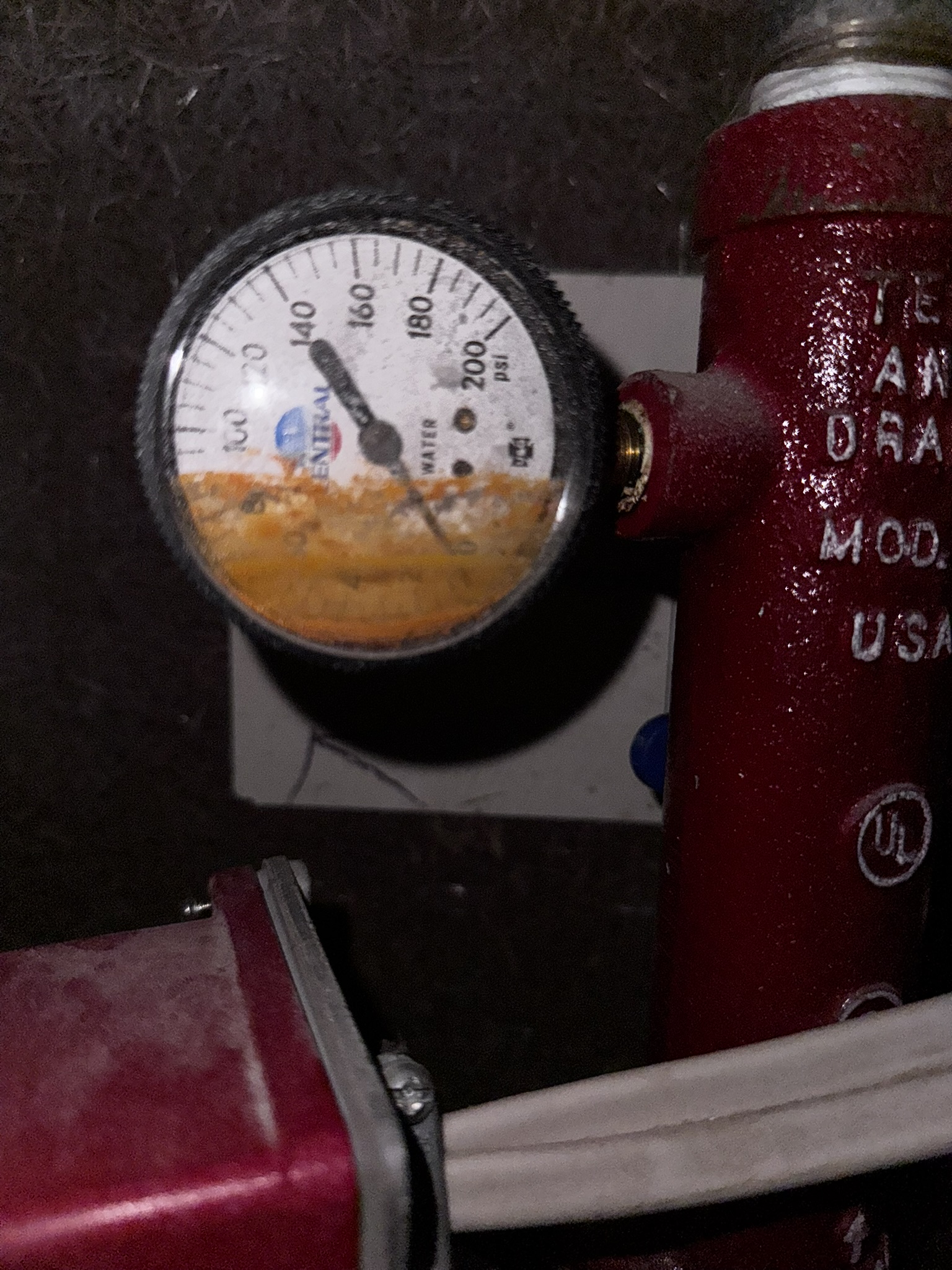
The bottom line: scheduled service is predictable and budgetable; neglect is unpredictable and expensive.
What Proper Sprinkler Installation and Design Prevent
Good outcomes start before the first drop of water. Systems designed and installed to NFPA 13—by professionals who understand your hazard classifications, water supply, seismic bracing, and coordination with other trades—perform as intended when it matters most. Proper sprinkler installation reduces false trips, ensures your coverage matches actual hazards, and eliminates headaches during inspections.
Professional installation also means thorough acceptance testing, accurate as-built documentation, and a smooth handoff into NFPA 25 maintenance. Done right, your system becomes easier and less costly to maintain over its lifecycle.
The Empire Fire Protection Approach
Empire Fire Protection combines technical rigor with responsive service—so your facility stays protected, compliant, and operational.
- NFPA expertise: Our teams design and install per NFPA 13, coordinate private fire service mains per NFPA 24, and service standpipe systems per NFPA 14. We maintain and test per NFPA 25 and align with your local AHJ processes and documentation requirements.
- Field-proven installation methods: Union-trained fitters, precise layout, quality materials, and clean coordination help minimize rework, change orders, and delays. We prioritize clear valve labeling, accessible test points, and maintainable layouts that reduce your long-term service costs.
- Lifecycle partnership: From concept and precon to tenant improvements and long-term inspections, we keep your system code-aligned and “fire ready.” If you’re remodeling or reclassifying hazards, we evaluate impacts and right-size modifications.
- Customer-first service: You’ll get clear deficiency reports, documented test results, and proactive recommendations. When you call, a knowledgeable local team answers.
Whether you manage a single site in Tacoma or a portfolio across Seattle and Bellevue, our approach scales to your needs without losing the local touch.
How We Help You Control Costs
- Early risk identification: Routine visits spot corrosion, impaired valves, or damaged heads before they become emergencies.
- Planned maintenance windows: We coordinate with operations to test and fix issues during off-hours or scheduled shutdowns.
- Code-forward solutions: By designing, installing, and maintaining to NFPA standards, we help you avoid violations and rework.
- Future-ready documentation: Detailed records support AHJ inspections and insurance audits, avoiding delays and penalties.
If you’re unsure about the status of your system, we can perform a readiness assessment and outline a corrective plan that prioritizes life safety and budget.
Practical Tips for Facilities and Project Teams
- Elevate documentation: Keep valve status tags, test reports, and impairment logs current and accessible to your AHJ and insurer.
- Don’t defer small fixes: Replace damaged heads and address slow leaks promptly; minor issues often signal larger problems.
- Align projects with code early: During preconstruction, confirm hazard classifications, ceiling/obstruction changes, and coordination points so sprinkler installation matches actual conditions.
- Communicate system changes: If tenants modify layouts or storage heights, loop in your sprinkler contractor to maintain fire code compliance.
Get Started With a Local Fire Sprinkler Partner
Protecting your people and property doesn’t have to be complicated—or expensive. Empire Fire Protection delivers reliable, NFPA-compliant service backed by local expertise in King, Pierce, and Kitsap Counties.
- Call 253-352-3473 to speak with a specialist
- Schedule an inspection or testing service
- Request a quote for upgrades, tenant improvements, or new builds
If you want a deeper look at what your annual program should include, start with our overview of annual fire sprinkler testing and inspections. Or, learn how our team manages full-scope testing and inspections to keep you ahead of AHJ and insurance expectations.
When your facility needs a dependable partner in commercial fire protection, Empire is ready to help—from design and sprinkler installation to long-term maintenance—so you can focus on operations and peace of mind.